Mouth Breathing Dries the Mouth and Increases Cavities and Gum Disease
Your breathing pattern can shape your oral health more than you think.
Most people don’t connect cavities and gum disease to breathing. They assume it’s all about brushing, flossing, sugar, genetics, or “bad teeth.” And yes — all of those can play a role.
But there’s another factor that quietly controls the entire oral environment: how you breathe.
Mouth breathing is not a harmless habit. It’s not just something that happens when you sleep. It’s a biological shift that changes moisture, pH, bacteria, inflammation, and even the immune defense system inside your mouth. Over time, it creates the perfect conditions for cavities and gum disease, even in people who brush well and avoid sugary foods.
At True Balance Dental, Dr. Daniel Ghorbani sees this pattern often in patients from Bothell, Bellevue, Kirkland, Seattle, and Lynnwood. It shows up in a very specific way: patients doing “all the right things” but still experiencing recurring decay, sensitive gums, chronic bad breath, or inflammation that keeps returning. In many cases, the missing piece is not effort — it’s physiology. And mouth breathing is frequently part of the story.
The mouth is designed to be protected by saliva
To understand why mouth breathing matters, you have to understand what saliva really is.
Saliva is not just water. It is one of the body’s most sophisticated protective systems. It neutralizes acid. It reduces harmful bacteria. It provides minerals that strengthen enamel. It lubricates tissues so they don’t become irritated and inflamed. It acts like a built-in cleaning and repair system that runs all day and all night.
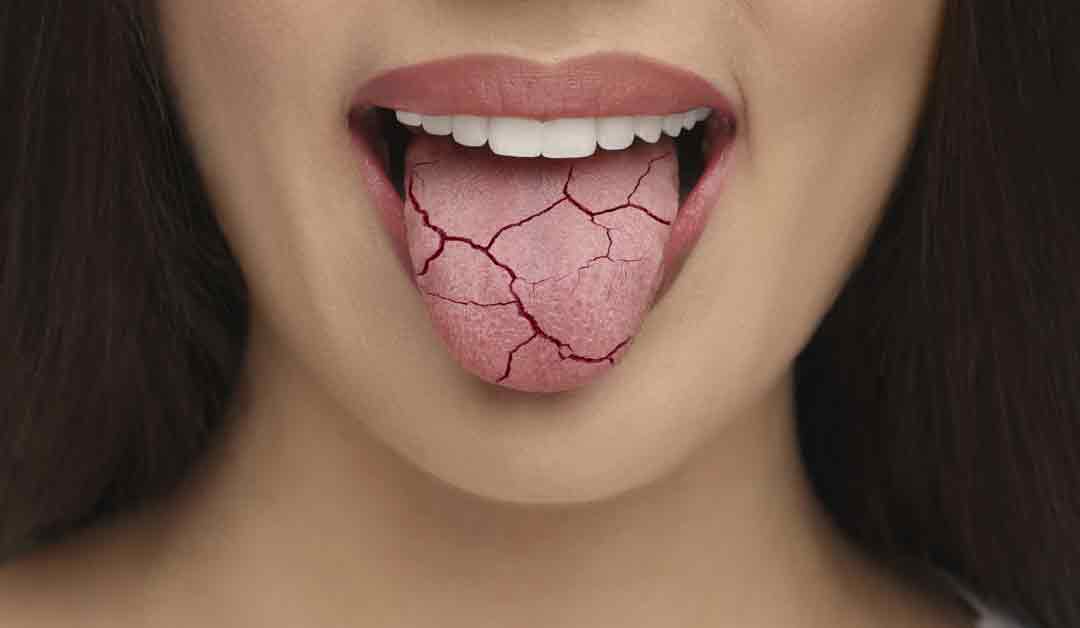
When you breathe through your nose, your lips stay closed and saliva stays where it belongs — coating teeth and protecting gum tissue. But when you breathe through your mouth, air constantly flows across the teeth and gums, drying everything out. Saliva evaporates. The mouth becomes dehydrated. The natural protective barrier weakens.
That’s when disease becomes easier.
Cavities are not only about sugar — they’re about acidity
A cavity is not a sudden event. It is a slow breakdown of enamel caused by an acidic environment that lasts too long. Bacteria feed on carbohydrates and release acid. That acid weakens enamel. If the body has enough saliva, it can neutralize the acid and repair early damage through remineralization.
But when saliva is low, the mouth stays acidic. Enamel stays exposed. Early weakness turns into real decay.
This is why mouth breathers can develop cavities even when they don’t consume much sugar. Their issue isn’t always diet. It’s the environment the teeth live inside.
The truth is simple: a dry mouth is a vulnerable mouth.
Mouth breathing changes bacterial balance
Every mouth contains bacteria. That’s normal. The goal isn’t to eliminate bacteria. The goal is balance.
When saliva is present, it keeps bacteria in check. It controls overgrowth, supports healthy flora, and reduces inflammation. But dryness shifts the ecosystem. Harmful bacteria thrive. The protective species struggle. Inflammation becomes easier to trigger and harder to calm.
This is why chronic mouth breathing is often associated with:
-
more cavities (especially near the gumline)
-
more gum inflammation and bleeding
-
more plaque buildup
-
chronic bad breath that doesn’t improve long-term
These problems are often treated as separate issues — cavities treated with fillings, bleeding gums treated with cleaning — but they may share a deeper cause.
Gum disease isn’t just about flossing — it’s about tissue health
Gum disease starts with inflammation, and inflammation thrives when tissue is stressed.
Healthy gums are firm and resilient. They form a seal around teeth. But dry gums lose resilience. Tissue becomes more fragile. The barrier weakens, and irritation increases. If bacteria are also increasing because saliva is reduced, the gums get hit from both sides.
The result is predictable: bleeding when brushing, tenderness, swelling, bad breath, and eventually deeper periodontal pockets.
This is where the whole-body approach matters. If the mouth is being dried out every night, then even excellent cleanings cannot fully solve the problem. You’re cleaning the surface while the biology keeps re-creating the same unhealthy environment.
Mouth breathing is often a symptom, not the root cause
Here is the most important point — and one most people never hear:
Mouth breathing usually happens because nasal breathing is compromised.
Many adults and children mouth breathe because they can’t breathe well through their nose. That might be due to allergies, chronic congestion, sinus issues, deviated septum, airway restriction, or sleep-related breathing problems. Sometimes it’s structural. Sometimes it’s inflammatory. Sometimes it’s both.
So mouth breathing isn’t a “bad habit.” It’s often a compensation. The body chooses oxygen first. It will open the mouth if the nose isn’t functioning properly.
The problem is that this compensation has side effects. It dries the mouth, increases inflammation, and raises disease risk.
In other words: the body solved the short-term problem (getting air) and created a long-term one (oral disease).
Mouth breathing and sleep: the hidden connection
Many patients who mouth breathe don’t just have oral symptoms. They also have sleep symptoms.
They may snore. They may wake up tired. They may experience morning headaches. Their nervous system may never fully relax at night. This often increases clenching and grinding, which adds more stress to teeth and jaw joints.
When sleep quality drops, the immune system weakens and inflammation rises. That increased inflammation shows up in the gums. The mouth becomes a reflection of systemic stress and poor recovery.
That’s why we don’t treat the mouth as separate from the body. Because the mouth is one of the few places where internal stress becomes visible.
Children who mouth breathe should never be ignored
In children, mouth breathing is especially important, because it can influence growth and development.
It can affect facial structure, palate formation, tongue posture, and orthodontic alignment. It can also contribute to cavities and gum inflammation early in life because the mouth is dry for long periods overnight.
Many parents assume mouth breathing is normal, especially with allergies. But chronic mouth breathing is not normal. It is a signal that the airway may not be functioning properly.
Early intervention matters, not because a child needs “more dental work,” but because correcting the underlying airway and breathing pattern can prevent many problems later.
What you can do if you suspect mouth breathing
This isn’t something people should self-diagnose or ignore. The key is to identify patterns.
A few clear signs include waking up with dry mouth, frequent sore throat, chronic bad breath, snoring, or noticeable mouth-open sleeping. In children, it may also show up as restless sleep, dark circles, or daytime fatigue.
If we suspect mouth breathing at True Balance Dental, the goal is not to shame the patient or offer generic advice. The goal is to understand why it’s happening and reduce the damage it causes. That includes protecting teeth from decay, supporting gum health, improving moisture levels, and when appropriate, encouraging airway evaluation so the root cause is addressed.
The “other half” of cavities and gum disease
People are often told cavities come from sugar and brushing. They’re told gum disease comes from flossing and cleanings.
That’s not wrong — it’s just incomplete.
The other half is the environment: breathing, saliva flow, airway, inflammation, sleep quality, and nervous system load. When that environment is unhealthy, disease will keep returning, even when hygiene is strong.
That’s why mouth breathing deserves real attention. Not as a small quirk, but as a systemic pattern that shapes the mouth’s health from the inside out.
Your mouth is part of your body. It responds to the same forces that shape your sleep, immunity, stress, and inflammation. When breathing changes, everything changes.
And when breathing improves, the mouth often becomes healthier — not because we forced it to, but because we restored the conditions the body needs to protect itself.
That is long-term dentistry. Calm, intentional, and aligned with the whole person.